

Why Every Nigerian Business Needs Penetration Testing in 2026
A Local Cybersecurity Imperative for Growth, Trust, and Survival
Introduction: 2026 Is the Year Nigerian Businesses Get Tested—One Way or Another
In 2026, cybersecurity is no longer a “tech issue” in Nigeria.
It is a business survival issue.
Whether you run a fintech startup in Lagos, a logistics company in Ibadan, an oil and gas service firm in Port Harcourt, or a professional services company in Abuja, one truth now applies across board:
If your business is online, connected, or data-driven, it is already being tested by attackers.
The only question is whether that test will be conducted by:
- Ethical professionals you authorized, or
- Criminals you never saw coming.
This is why penetration testing has become one of the most critical cybersecurity investments for Nigerian businesses in 2026—not as a luxury, but as a necessity.
ALSO, READ Top Cyber Threats Businesses Will Face in 2026 — And How to Defend Against Them
This article explains why penetration testing matters in the Nigerian context, what risks local businesses actually face, how penetration testing protects revenue and reputation, and why proactive companies are making it a core business strategy.
Understanding Penetration Testing (Without the Jargon)
Penetration testing—often called pen testing—is a controlled, legal attempt to break into your systems the same way a real hacker would.
But unlike criminals, penetration testers:
- Have permission
- Follow strict rules of engagement
- Document everything
- And help you fix what they find
In simple terms:
Penetration testing shows you how your business could be hacked—before it actually happens.
It goes beyond automated scans by:
- Exploiting real weaknesses
- Chaining small flaws into full attack paths
- Demonstrating business impact (not just technical issues)
- Providing prioritized remediation steps
For Nigerian businesses in 2026, this visibility is priceless.
Why 2026 Is a Critical Year for Nigerian Businesses


1. Nigerian Businesses Are No Longer “Off the Radar”
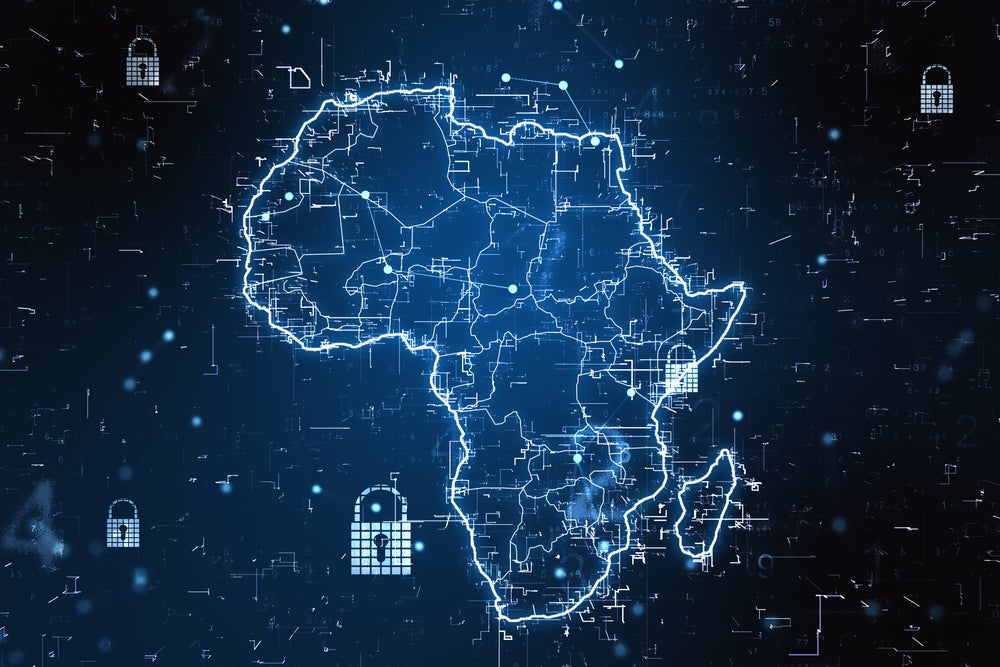
For years, many Nigerian businesses believed cybercriminals focused only on Europe, the U.S., or Asia.
That is no longer true.
In 2026:
- Nigerian fintech platforms process billions daily
- SMEs hold massive customer data with weak defenses
- Digital payments, logistics, and e-commerce have exploded
- Cloud adoption has outpaced security maturity
Attackers follow opportunity—and Nigeria now offers plenty.
2. AI Has Changed the Economics of Cybercrime
Cybercrime used to require deep technical skill.
In 2026, attackers use AI to:
- Generate flawless phishing emails
- Scan websites for vulnerabilities automatically
- Exploit misconfigured cloud services
- Impersonate executives with voice deepfakes
This means:
- More attackers
- Faster attacks
- Lower cost of entry
Penetration testing is one of the few ways to realistically assess your exposure in this new environment.
3. Regulation and Accountability Are Increasing
Nigeria’s data protection and compliance landscape has matured significantly.
Businesses are now expected to:
- Protect personal data
- Demonstrate “reasonable security controls”
- Conduct risk assessments
- Respond quickly to incidents
Penetration testing provides documented evidence that your business took proactive steps to secure systems—an essential defense if regulators, partners, or courts come knocking.
The Real Cyber Threats Facing Nigerian Businesses in 2026
4
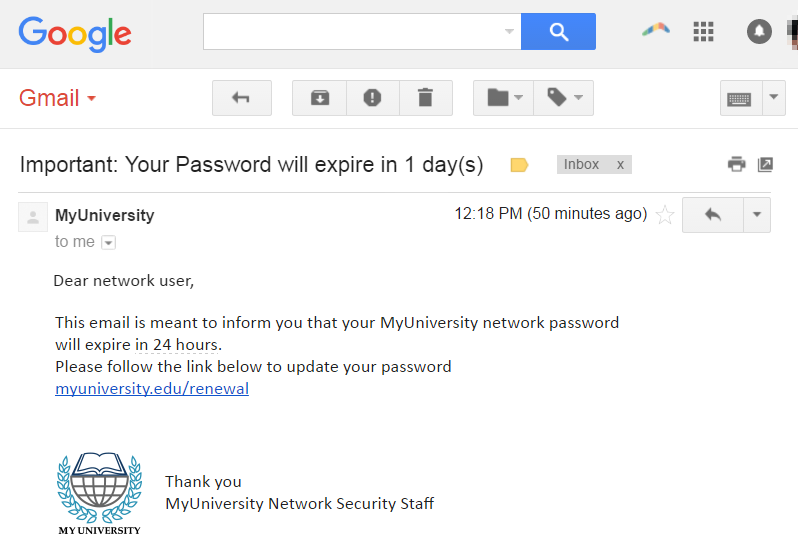
1. Phishing and Business Email Compromise (BEC)
One of the most common attacks in Nigeria today.
Attackers:
- Impersonate CEOs or finance managers
- Redirect vendor payments
- Steal credentials
- Gain access to internal systems
Penetration testing can simulate:
- Phishing attacks
- Credential theft
- Lateral movement after compromise
This exposes both technical and human weaknesses.
2. Ransomware Attacks on SMEs
Ransomware groups increasingly target:
- SMEs
- Healthcare providers
- Logistics companies
- Professional service firms
Why?
- Limited backups
- Weak monitoring
- High pressure to pay quickly
Pen testing identifies:
- Entry points
- Privilege escalation paths
- Backup weaknesses
Before criminals do.
3. Website and Application Exploits
Many Nigerian businesses rely on:
- WordPress websites
- Custom web portals
- Payment gateways
- Mobile apps
Common vulnerabilities include:
- SQL Injection
- Cross-Site Scripting (XSS)
- Weak authentication
- Exposed admin interfaces
Penetration testing reveals how attackers exploit these flaws in real life—not theory.
4. Cloud Misconfigurations
Cloud adoption has grown rapidly—but security often lags.
Common issues include:
- Public storage buckets
- Over-permissioned users
- Exposed APIs
- Weak identity controls
Attackers don’t “hack” the cloud.
They simply log in using mistakes you didn’t know existed.
5. Insider and Privileged Access Risks
Not all threats come from outside.
Employees may:
- Have excessive access
- Use weak passwords
- Leak data accidentally
- Misuse systems intentionally
Pen testing shows what someone with “inside access” could actually do.
ALSO, READ Integrated Marketing for SMEs: SEO, Security & Cloud Guide
Why Antivirus and Firewalls Are Not Enough
Many Nigerian businesses believe:
“We have antivirus and a firewall, so we are safe.”
That belief is dangerous.
Traditional tools:
- Stop known threats
- Do not test how systems fail together
- Do not simulate attacker behavior
- Do not show real-world impact
Penetration testing connects the dots:
- How a phishing email leads to credential theft
- How credentials lead to cloud access
- How cloud access leads to data breach
This holistic view is what Nigerian businesses are missing.
The Business Value of Penetration Testing (Beyond IT)

4
1. Protect Revenue and Business Continuity
Downtime costs money.
Lost data destroys trust.
Penetration testing reduces the likelihood of:
- Operational shutdowns
- Revenue loss
- Customer churn
2. Build Trust with Customers and Partners
More clients now ask:
“How do you secure our data?”
Being able to say:
“We conduct regular penetration testing”
…instantly increases credibility—especially with:
- Banks
- International partners
- Enterprise customers
3. Meet Compliance and Contractual Obligations
Penetration testing supports:
- NDPR requirements
- Industry compliance
- Due diligence requests
- Vendor security assessments
It provides evidence, not excuses.
4. Reduce Long-Term Security Costs
Fixing vulnerabilities early is cheaper than:
- Incident response
- Legal fees
- Reputation repair
Penetration testing is preventive—not reactive—security.
Types of Penetration Testing Nigerian Businesses Need in 2026
External Penetration Testing
Tests internet-facing systems such as:
- Websites
- Email servers
- VPNs
- Cloud services
Internal Penetration Testing
Simulates:
- Compromised employee accounts
- Insider threats
Web Application Penetration Testing
Critical for:
- Fintech platforms
- E-commerce websites
- Customer portals
Cloud Penetration Testing
Focuses on:
- Identity and access management
- Cloud storage security
- API exposure
Social Engineering Testing
Evaluates:
- Employee awareness
- Process weaknesses
- Phishing susceptibility
How Often Should Nigerian Businesses Do Penetration Testing?
Best practice in 2026:
- At least once per year
- After major system changes
- Before launching new products
- When onboarding critical vendors
Cybersecurity evolves—testing must evolve with it.
Why Local Penetration Testing Matters in Nigeria
Choosing a local cybersecurity partner is critical.
Local providers understand:
- Nigerian infrastructure realities
- Power, connectivity, and operational constraints
- Local regulations and business culture
- Realistic threat models
Penetration testing is most effective when it reflects local context, not imported assumptions.
Why Nigerian Businesses Choose 24SevenHub
At 24SevenHub, penetration testing is not a checkbox exercise.
It is:
- Risk-driven
- Business-focused
- Actionable
What We Deliver:
✔ Real-world attack simulations
✔ Clear, executive-friendly reports
✔ Prioritized remediation steps
✔ Compliance-aligned documentation
✔ Post-test guidance and support
We don’t just tell you what’s wrong.
We show you what actually matters and how to fix it.
Who Needs Penetration Testing in 2026?
You need penetration testing if:
- You process customer data
- You accept online payments
- You run a website or mobile app
- You use cloud services
- You want enterprise or international clients
That includes almost every Nigerian business.
Final Conclusion: Penetration Testing Is No Longer Optional in Nigeria
In 2026, Nigerian businesses face:
- Smarter attackers
- Greater financial risk
- Higher regulatory expectations
Penetration testing is no longer optional.
It is:
- A business survival strategy
- A trust-building signal
- A compliance safeguard
- A competitive advantage
The only remaining question is:
Will your systems be tested by ethical professionals—or by criminals?
📞 Ready to Secure Your Business?
If you are a Nigerian business owner, founder, CTO, or decision-maker:
👉 Contact 24SevenHub today to schedule a professional penetration testing engagement tailored to your industry and risk profile.
2026 belongs to prepared businesses.
Make sure yours is one of them.
FAQ
What is penetration testing?
Penetration testing is an authorized cyber attack simulation that identifies security weaknesses before criminals exploit them.
Why do Nigerian businesses need penetration testing in 2026?
Because cyber attacks in Nigeria are increasing, and businesses must protect customer data, meet NDPR requirements, and prevent financial loss.
How often should penetration testing be done?
At least once a year, after major system changes, or before launching new applications or services.
Is penetration testing required for NDPR compliance?
While not always mandatory, penetration testing demonstrates reasonable security measures and helps support NDPR compliance.
What types of penetration testing are available?
External, internal, web application, cloud, and social engineering penetration testing.
How long does a penetration test take?
Most penetration tests take between a few days to several weeks, depending on scope and system complexity.
Are penetration testing services expensive in Nigeria?
Penetration testing is far cheaper than the cost of a data breach, legal penalties, or business downtime.