
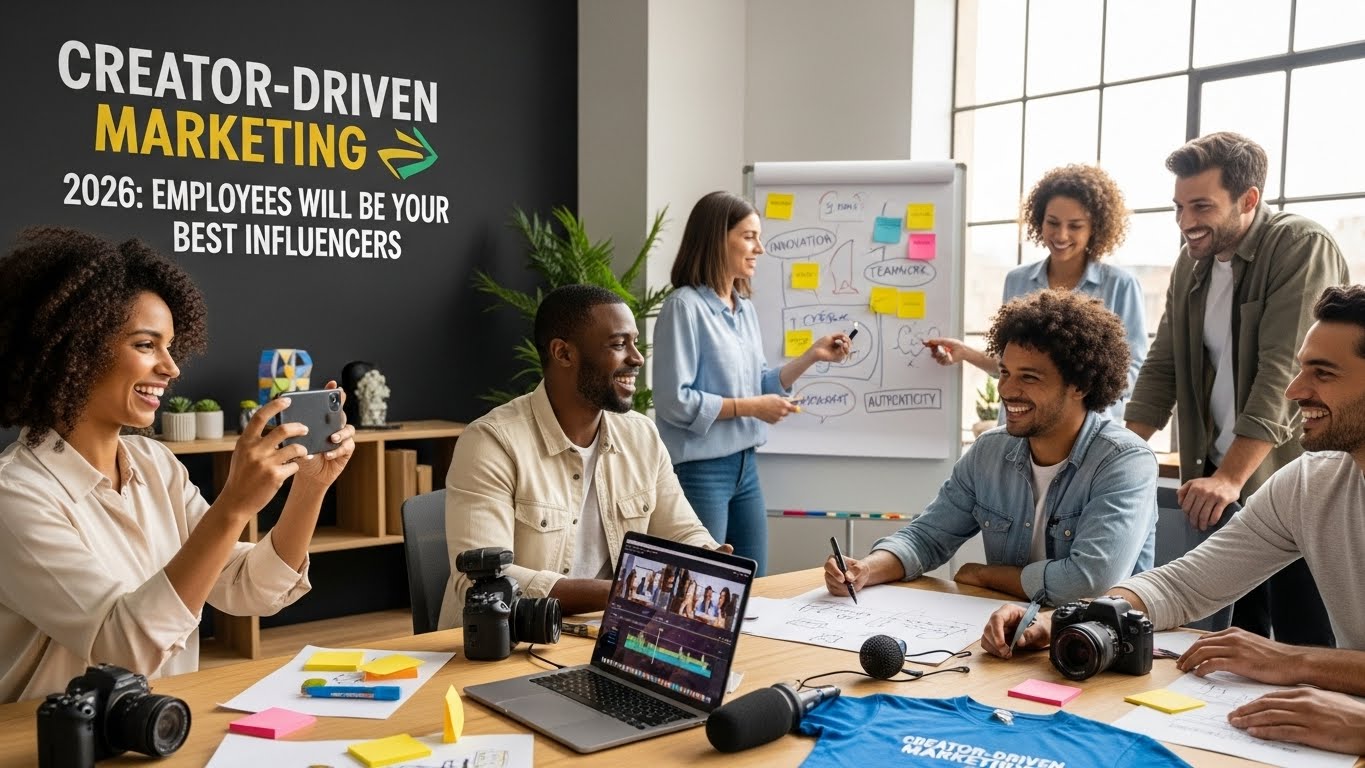
Creator-Driven Marketing 2026: Employees Will Be Your Best Influencers
Introduction: The Collapse of Traditional Influence
Marketing is entering a decisive era. By 2026, audiences will no longer be impressed by polished ads, rented influencers, or overproduced brand messages. Trust has collapsed in traditional advertising. Algorithmic saturation, influencer fatigue, AI-generated sameness, and declining engagement rates have forced brands to ask a dangerous question:
ALSO, READ 2026 Social Media Strategy: What’s Working on TikTok, YouTube, Instagram & X
Who actually believes us anymore?
The answer is not agencies.
Not celebrities.
Not even top creators in many cases.
The answer is employees.
Creator-driven marketing in 2026 is not about brands “using” creators. It’s about turning the organization itself into a living media engine, where employees become the most trusted, scalable, and authentic influencers a company can deploy.
This shift is already underway—and brands that ignore it will bleed attention, trust, and revenue.
What Is Creator-Driven Marketing (2026 Definition)
Creator-driven marketing is a strategy where real people—employees, founders, operators, engineers, marketers, support staff—create and distribute content that represents the brand through their personal voices, platforms, and credibility.
In 2026, creator-driven marketing has three defining traits:
- People > Logos
- Distribution > Ads
- Trust > Reach
Unlike influencer marketing, creator-driven marketing is owned, not rented.
Why Employees Are Becoming the New Power Influencers
4
1. Trust Has Shifted from Brands to People
Consumers trust:
- “Someone like me”
- Industry practitioners
- Behind-the-scenes voices
They do not trust:
- Corporate slogans
- Ads pretending to be authentic
- Influencers clearly paid to perform enthusiasm
Employees sit at the intersection of expertise + proximity + honesty.
A developer explaining how a product works is more credible than a million-dollar campaign.
2. Algorithms Favor Humans, Not Brands
By 2026:
- Organic reach for brand pages continues to decline
- Personal accounts dominate feeds
- Platforms reward conversations, not campaigns
On platforms like LinkedIn, TikTok, and X, employee content consistently outperforms brand content because:
- It sparks discussion
- It feels native
- It avoids “corporate energy”
Algorithms are optimized for people talking to people.
ALSO, READ How to Optimize Website for AI: ChatGPT, Gemini & Copilot Search in 2026
3. Employees Are Always “On the Inside”
Influencers speculate.
Employees know.
They can:
- Explain product decisions
- Show real workflows
- Share lessons learned
- Humanize company culture
- Respond credibly to industry shifts
This insider access cannot be replicated externally.
Creator-Driven Marketing vs Influencer Marketing
| Influencer Marketing | Creator-Driven Marketing |
|---|---|
| Rented attention | Owned distribution |
| Expensive & volatile | Scalable & compounding |
| Low trust over time | Trust increases over time |
| One-off campaigns | Long-term brand equity |
| Performance drops fast | Performance compounds |
Influencers borrow trust.
Employees embody it.
The Rise of the Employee-Creator Economy
In 2026, employees are no longer just workers. They are:
- Micro-media brands
- Niche thought leaders
- Distribution channels
- Trust nodes in the algorithm
Forward-thinking companies now hire with visibility in mind:
- Can this person communicate?
- Are they willing to share insights?
- Can they represent the brand credibly online?
This doesn’t mean forcing employees to post. It means empowering willing creators inside the organization.
Why Employees Outperform Influencers (Data Reality)
By 2026, internal marketing analytics show:
- Employee posts get 2–5x higher engagement than brand posts
- Employee-shared content has higher conversion intent
- Sales cycles shorten when prospects already “know” the team
- Employer branding improves organically
- Recruitment costs drop
Employees don’t feel like ads.
They feel like proof.
The Psychology Behind Employee Influence
1. Social Proof Through Proximity
People think:
“If someone working there believes this, it must be real.”
This is subconscious validation.
2. Parasocial Trust at Scale
When employees share consistently:
- Audiences feel familiarity
- Familiarity becomes trust
- Trust drives action
This is the same mechanism creators use—now applied internally.
3. Identity Transfer
When employees speak passionately about work, audiences begin to associate:
- The employee’s values
- The employee’s intelligence
- The employee’s credibility
…with the brand itself.
Platforms Where Employee-Creators Win in 2026


LinkedIn: Authority & B2B Trust
- Thought leadership
- Case studies
- Behind-the-scenes lessons
- Industry commentary
TikTok: Culture & Discovery
- Day-in-the-life
- Product builds
- Team humor
- Honest breakdowns
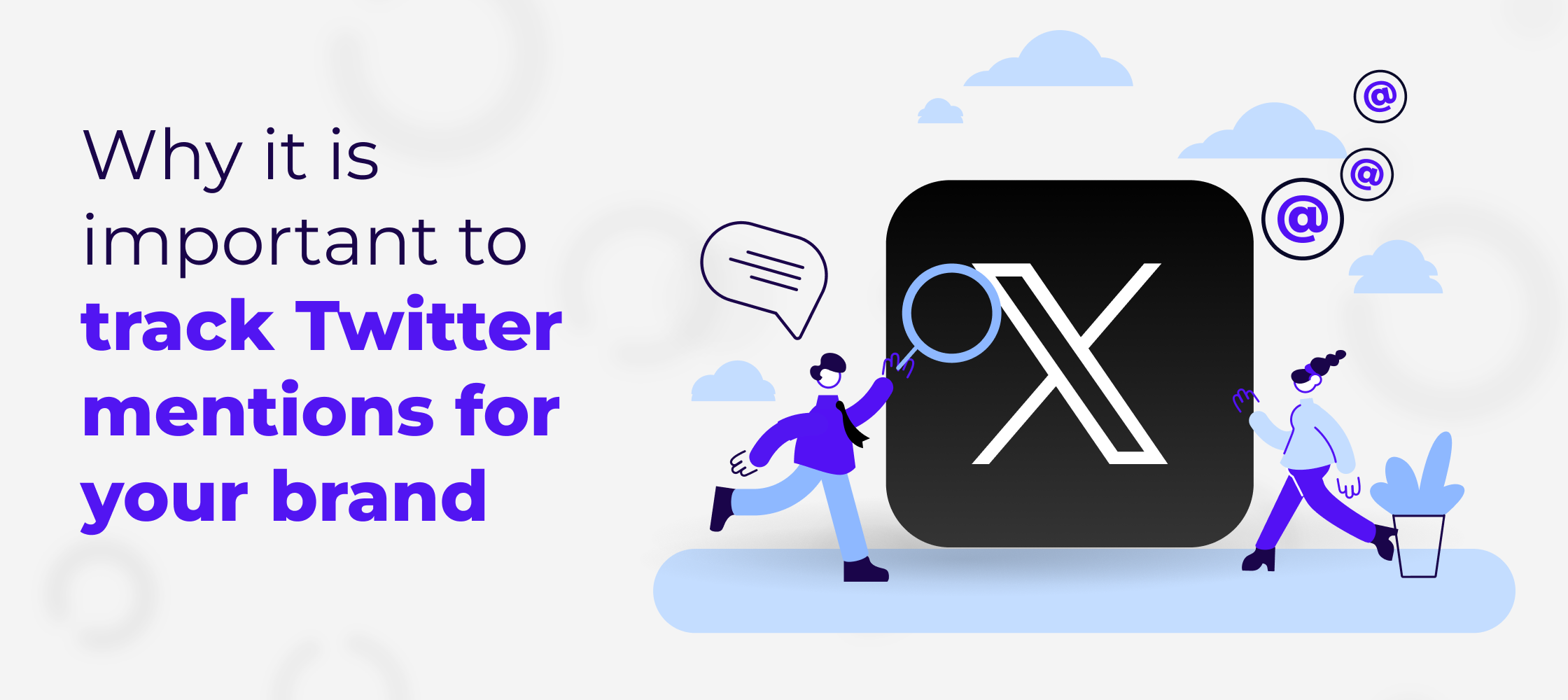
X: Opinion & Industry Positioning
- Real-time reactions
- Contrarian insights
- Founder & employee commentary
YouTube: Depth & Legacy
- Tutorials
- Long-form breakdowns
- Product philosophy
- Culture documentaries
How Smart Brands Structure Creator-Driven Marketing
1. Identify Willing Employee-Creators
Not everyone should post.
Look for:
- Natural communicators
- Curious learners
- Employees already active online
Voluntary participation beats forced programs.
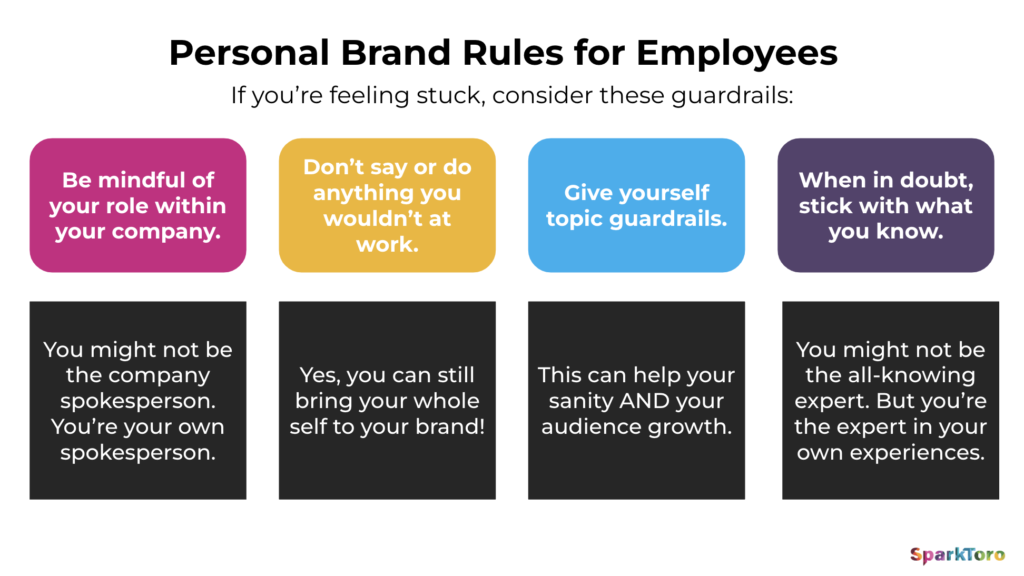
2. Create Guardrails, Not Scripts
Employees fail when brands over-control.
Provide:
- Content boundaries
- Legal clarity
- Brand values
- Crisis guidelines
Avoid:
- Scripts
- Forced hashtags
- Approval bottlenecks
3. Train Employees Like Creators
2026 companies run internal creator bootcamps:
- Storytelling basics
- Platform mechanics
- Content ideas
- Personal branding
- Ethics & responsibility
This investment multiplies reach exponentially.
4. Incentivize Visibility, Not Virality
Reward:
- Consistency
- Quality insights
- Brand alignment
- Long-term growth
Not just views.
Risks (And How to Manage Them)
Risk 1: Message Inconsistency
Solution: Clear values + trust.
Risk 2: Employee Leaves
Solution: Their content still built your brand while they stayed.
Risk 3: Internal Resistance
Solution: Never force participation.
Risk 4: Mistakes Go Public
Solution: Training + maturity beats silence.
Why Creator-Driven Marketing Compounds Over Time
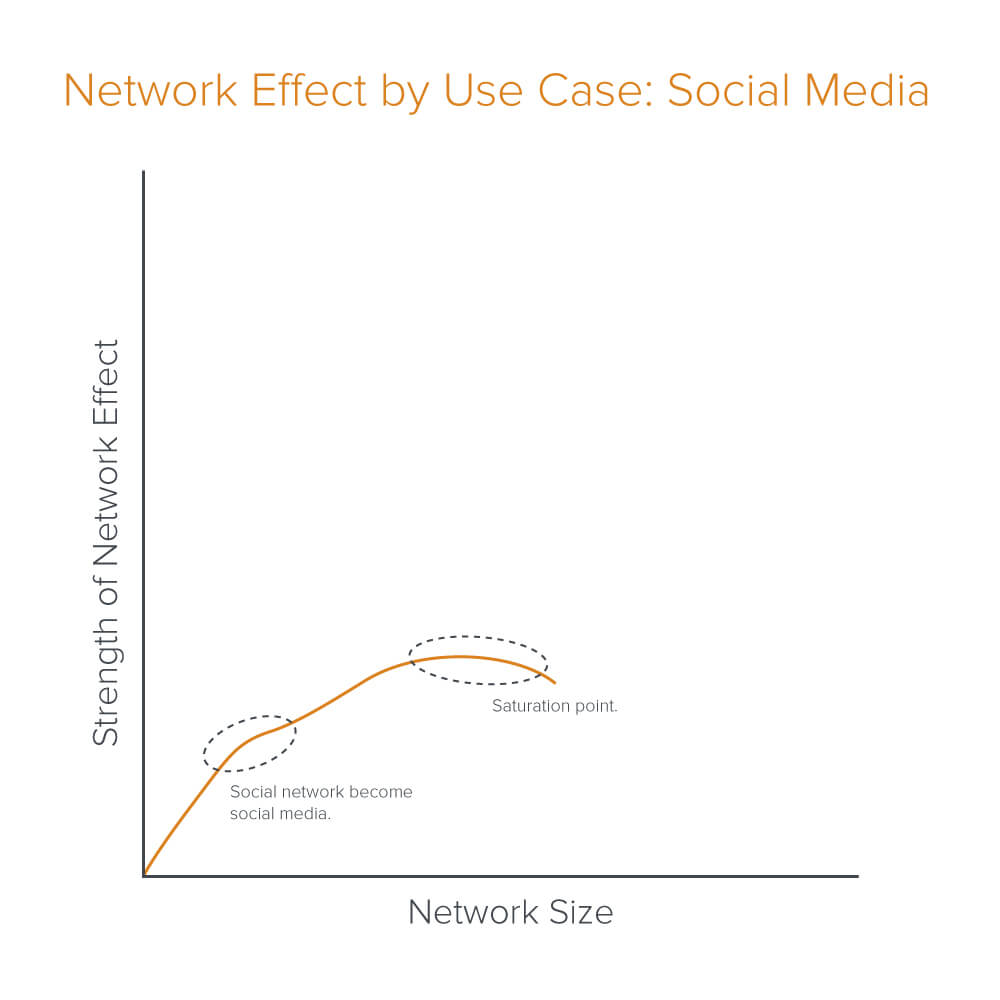

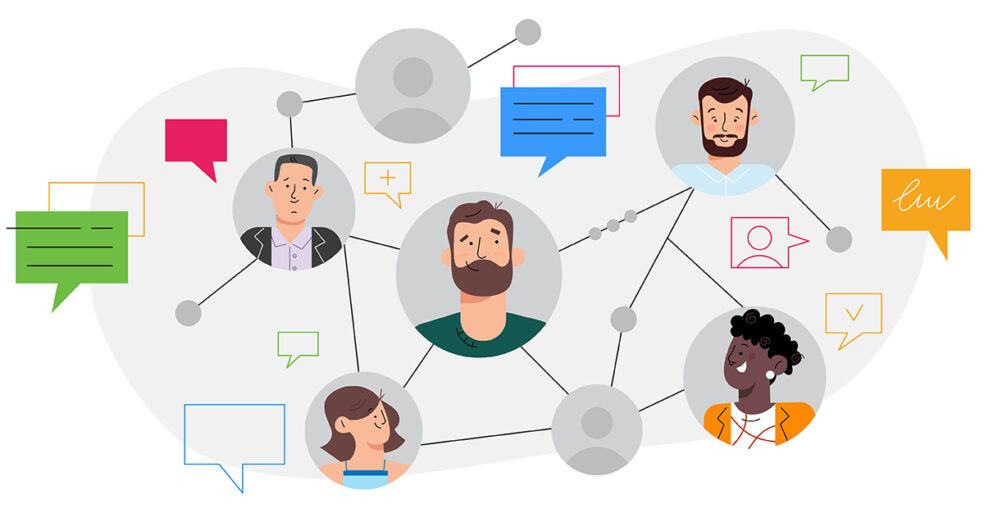
Each employee creator:
- Builds a personal audience
- Attracts niche trust
- Strengthens brand perception
As teams grow, distribution multiplies, not linearly—but exponentially.
This is the network effect applied to marketing.
Creator-Driven Marketing and Sales (The Hidden Advantage)
By 2026:
- Buyers research people, not companies
- Decision-makers follow employees before buying
- Trust is built before the first sales call
Sales becomes:
“I’ve been following your team for months.”
That sentence alone shortens pipelines dramatically.
Employer Branding: The Silent Winner
Companies using creator-driven marketing see:
- Higher-quality applicants
- Cultural alignment before hiring
- Lower churn
- Stronger internal pride
People want to work where voices matter.
The Future: Companies as Media Collectives
The most powerful brands in 2026 are not advertisers.
They are:
- Networks of creators
- Communities of voices
- Living, breathing narratives
The company page becomes secondary.
The people are the channel.
Final Conclusion: The Brand Is No Longer the Loudest Voice
Creator-driven marketing is not a trend.
It is a structural shift.
In 2026:
- Employees are the most trusted marketers
- Human stories beat perfect campaigns
- Distribution lives in people, not pages
Brands that empower employees to speak will dominate attention.
Brands that hide behind logos will disappear into algorithmic silence.
The future belongs to people-first marketing—and employees are the most powerful creators you will ever have.
FAQ
What is creator-driven marketing in 2026?
Creator-driven marketing in 2026 is a people-first approach where employees, founders, and internal teams create content that builds trust and drives demand more effectively than brand-only posts.
Why will employees become the best influencers?
Employees outperform traditional influencers because they have insider credibility, genuine proximity to product and culture, and higher trust—plus platforms prioritize human-led content over brand pages.
What is employee advocacy marketing?
Employee advocacy is when staff voluntarily share company stories, expertise, and content on personal profiles to expand reach, boost credibility, and increase leads or hiring outcomes.
How do you start an employee advocacy program?
Start by recruiting willing employees, offering training, creating simple content prompts, setting brand guardrails, and rewarding consistency—not viral views.
Is employee-generated content better than influencer marketing?
Often yes. Employee-generated content compounds over time, costs less, and builds stronger trust. Influencer marketing can still help, but it’s typically “rented” attention.
What platforms work best for employee creators?
LinkedIn is best for B2B authority, TikTok for discovery and culture, X for real-time opinions, and YouTube for long-form trust-building content.
What are the risks of employee influencer marketing?
Risks include inconsistent messaging, compliance issues, and mistakes going public. These are managed with clear guidelines, training, and lightweight review processes for sensitive topics.
How do you measure employee advocacy success?
Track reach and engagement, profile visits, inbound leads, demo requests, recruitment quality, website clicks, and brand sentiment—then compare against brand-page performance.