


Top 15 Cybersecurity Courses for Beginners and Mid-Level Professionals Who Want Remote Jobs in 2026
Cybersecurity is no longer a career path reserved for computer science graduates, ethical hackers, or people who have been coding since childhood. Today, cybersecurity has become one of the most practical career options for beginners, career changers, IT support professionals, digital workers, system administrators, cloud learners, and even non-technical professionals who are willing to learn security fundamentals.
The reason is simple: businesses are now more digital than ever. Companies store customer data online, run cloud servers, use remote teams, process payments through digital platforms, depend on email systems, and connect their operations through networks, SaaS tools, mobile apps, and third-party integrations. Every digital system creates security risk. That is why organizations need people who can help them protect systems, detect threats, respond to incidents, manage vulnerabilities, secure cloud environments, and communicate risk clearly.
ALSO, READ Top Cyber Threats Businesses Will Face in 2026 — And How to Defend Against Them
However, beginners often face one major problem: they do not know where to start. One person says “start with ethical hacking.” Another says “learn Linux first.” Another says “go for Security+.” Another says “forget certificates and build projects.” The truth is that cybersecurity is broad, and not every beginner should start from the same place.
This guide is designed to solve that confusion.
If you want to enter cybersecurity in 2026, especially with the goal of getting remote or hybrid roles, you need a combination of three things: foundational knowledge, hands-on skills, and recognized credentials. Certifications alone will not guarantee a job. But the right courses can help you understand what employers are asking for, build a portfolio, speak the language of security teams, and apply for beginner to intermediate roles such as SOC analyst, junior cybersecurity analyst, IT security support, cloud security associate, GRC analyst, vulnerability management analyst, identity and access management analyst, and security operations technician.
According to ISC2’s 2025 Cybersecurity Workforce Study, hiring managers are not only looking for technical ability. They also value problem solving, collaboration, communication, willingness to learn, and strategic thinking. The same study also points to AI and cloud security as important in-demand skills for modern cybersecurity teams.
That is important for beginners to understand. Cybersecurity is not just about tools. It is about judgment, discipline, documentation, communication, and the ability to protect business operations.
Below are the top 15 cybersecurity courses and certifications beginners and mid-level professionals should seriously consider in 2026.
1. Google Cybersecurity Professional Certificate
The Google Cybersecurity Professional Certificate is one of the best starting points for total beginners. It is designed for people who want to understand cybersecurity from the ground up without needing prior professional experience. Google describes the program as a way to gain job-ready skills such as identifying common risks, threats, and vulnerabilities, and learning techniques to mitigate them. It is also delivered online and can be completed at your own pace.
This course is especially useful because it introduces learners to the real language of cybersecurity work. You learn about security frameworks, networks, Linux, SQL, assets, threats, vulnerabilities, incident response, and security tools. For beginners who are confused by too many advanced certifications, this course gives structure.
One of the biggest advantages of the Google Cybersecurity Certificate is that it is practical and beginner-friendly. It does not throw you immediately into advanced penetration testing or complex malware analysis. Instead, it helps you understand how cybersecurity teams think and operate. This is important because most entry-level roles do not require you to “hack everything.” They require you to monitor, analyze, document, escalate, and support security processes.
This course is ideal for people targeting roles like junior cybersecurity analyst, SOC analyst trainee, IT security assistant, security support specialist, and risk/security operations intern. It can also help digital professionals, website managers, and IT support staff move closer to cybersecurity.
For remote job potential, the Google Cybersecurity Certificate is useful because many remote cybersecurity roles expect you to understand security operations, ticketing, documentation, and basic technical investigation. However, it should not be your only credential. After completing it, a beginner should consider moving to CompTIA Security+, ISC2 Certified in Cybersecurity, or Cisco CyberOps Associate.
ALSO, EAD Zero Trust Security for Web Apps: Modern Architecture for 2026
The best way to use this course is to treat it as your foundation, not your final destination. Complete the labs, document what you learn on LinkedIn, build a small portfolio, and practice explaining concepts like phishing, access control, vulnerability management, incident response, and log analysis.
2. ISC2 Certified in Cybersecurity — CC
The ISC2 Certified in Cybersecurity, commonly called ISC2 CC, is one of the most respected entry-level cybersecurity credentials for beginners. ISC2 says the CC proves foundational knowledge, skills, and abilities for an entry-level or junior-level cybersecurity role. The certification covers security principles, business continuity, disaster recovery, incident response concepts, access control, network security, and security operations.
One strong advantage of ISC2 CC is that it has no work experience requirement. That makes it very attractive for students, career changers, IT beginners, and people coming from non-technical backgrounds. ISC2 specifically developed the credential to help newcomers demonstrate that they understand the right technical concepts and have the aptitude to learn on the job.
This certification is also valuable because ISC2 is the organization behind CISSP, one of the most respected advanced cybersecurity certifications in the world. For beginners, CC can serve as a professional starting point before moving later into SSCP, CISSP, CCSP, or CGRC.
The exam content is well aligned with what beginners need. It does not pretend that you are already a security engineer. It checks whether you understand fundamental security principles, access control, network security, incident response, and operations. These are the exact concepts you need before entering SOC work, GRC support, IT security support, or cloud security fundamentals.
For remote job potential, ISC2 CC helps you show recruiters that you are serious about cybersecurity. It may not be enough alone to win a remote job, but it is a strong résumé booster when combined with labs, projects, and another practical course. Employers hiring remote junior analysts want to reduce risk. A recognized certification helps them see that you have learned the basics from a reputable body.
Best for: total beginners, career changers, entry-level cybersecurity applicants, IT support professionals moving into security, and people who want a recognized cybersecurity credential without years of experience.
Recommended next step after ISC2 CC: Google Cybersecurity Certificate for practical labs, CompTIA Security+ for broader employer recognition, or Cisco CyberOps Associate for SOC-focused roles.
3. CompTIA Security+
CompTIA Security+ remains one of the most important cybersecurity certifications for beginners and early-career professionals. It is widely recognized by employers and often appears in entry-level cybersecurity job descriptions. Security+ is valuable because it covers broad security knowledge rather than locking you into one vendor, one platform, or one narrow job role.
Security+ is especially useful for people who want to apply for roles such as cybersecurity analyst, security administrator, SOC analyst, systems administrator with security responsibilities, IT auditor, junior risk analyst, and information security specialist. Several career guides and job-market summaries continue to associate Security+ with early-career security roles including security analyst, SOC analyst, network security administrator, systems security specialist, and IT security support.
What makes Security+ powerful is that it gives you a broad security vocabulary. You learn about threats, attacks, vulnerabilities, architecture, identity and access management, cryptography, governance, risk, compliance, security operations, and incident response. These are the topics that come up again and again in real cybersecurity interviews.
For beginners, Security+ is not always “easy,” but it is achievable with consistent study. If you already have basic IT knowledge, networking knowledge, or experience with systems administration, you may be able to prepare faster. If you are a total beginner, it is better to first complete Google Cybersecurity Certificate, ISC2 CC, or basic networking training before attempting Security+.
For remote job potential, Security+ is one of the strongest options on this list. Many remote security roles use Security+ as a baseline filter because it proves that you understand general security concepts. It is also helpful for people targeting international freelance cybersecurity support, technical support with security focus, remote SOC trainee roles, and compliance support roles.
However, Security+ is not magic. You should combine it with hands-on labs. Build projects around phishing analysis, incident response notes, vulnerability scanning, password policy review, basic SIEM dashboards, and risk assessments. When applying for remote roles, your ability to show practical examples matters.
Best for: beginners with some IT foundation, career changers, support technicians, junior analysts, and anyone who wants a widely recognized entry-level cybersecurity certification.
4. CompTIA Network+
Before you can defend a network, you must understand how networks work. That is why CompTIA Network+ is one of the smartest courses for cybersecurity beginners. Many people jump straight into hacking tools without understanding IP addresses, DNS, ports, protocols, routing, VPNs, firewalls, wireless networks, segmentation, and troubleshooting. That is a mistake.
Cybersecurity is deeply connected to networking. SOC analysts investigate network traffic. Penetration testers scan networks. Cloud security professionals secure virtual networks. Incident responders trace suspicious connections. Vulnerability analysts assess exposed services. Even GRC analysts need to understand network-related risks.
CompTIA Network+ validates foundational networking skills across networking concepts, infrastructure, network operations, network security, and troubleshooting. It is often recommended for people who want to build practical networking knowledge before going deeper into cybersecurity.
For beginners, Network+ is not always a cybersecurity certification in the strictest sense, but it is one of the best cybersecurity foundations. If you do not understand networking, cybersecurity will feel confusing. You may memorize tool outputs but fail to understand what is happening behind them.
For remote job potential, Network+ is useful because many remote cybersecurity jobs expect you to troubleshoot and investigate without someone physically beside you. You may need to explain whether an alert is related to DNS, suspicious outbound traffic, firewall misconfiguration, VPN access, or exposed ports. A strong networking foundation gives you confidence.
Network+ is especially useful for people targeting SOC analyst, network security analyst, IT support security, cloud support associate, systems administrator, firewall support, and infrastructure security roles.
Best for: beginners with weak networking knowledge, IT support professionals, SOC aspirants, cloud security learners, and anyone who wants to stop guessing when they see network logs.
Recommended learning path: Network+ before Security+ if you are new to IT. If you already understand networking, go straight to Security+ and use Network+ topics for revision.
5. Cisco Certified CyberOps Associate
Cisco Certified CyberOps Associate is one of the best courses for people who specifically want to work in a Security Operations Center. A SOC is where security alerts are monitored, investigated, escalated, and documented. Many beginner cybersecurity jobs are SOC-related, which makes this certification very practical.
Cisco describes CyberOps Associate as training that helps learners monitor, detect, and respond to cyber threats and prepare for the Cisco cybersecurity associate certification. Cisco also states that the certification has no formal prerequisites and is suitable for new or aspiring IT professionals who want to specialize in cybersecurity.
This is important because SOC roles are among the most realistic entry points into cybersecurity. A junior SOC analyst may review alerts from SIEM tools, check logs, investigate suspicious IP addresses, identify phishing attempts, monitor endpoint detection tools, create tickets, and escalate serious incidents to senior analysts.
The Cisco CyberOps Associate path helps learners understand security monitoring, host-based analysis, network intrusion analysis, security policies, and procedures. These skills are directly relevant to real-world SOC operations.
For remote job potential, CyberOps Associate is strong because SOC work can often be done remotely or in hybrid setups. Many managed security service providers, technology companies, and global security teams operate distributed SOC environments. However, remote SOC jobs still require discipline, documentation skills, and the ability to communicate clearly.
This course is best for people who do not just want theory. If your goal is to become a SOC analyst, incident response trainee, security monitoring analyst, or cyber defense analyst, Cisco CyberOps Associate is a smart choice.
Best for: SOC analyst aspirants, IT support professionals moving into monitoring, network learners, and people who want a more operations-focused alternative or addition to Security+.
6. Microsoft SC-900: Security, Compliance, and Identity Fundamentals
Microsoft SC-900 is one of the best beginner courses for people interested in cloud security, identity, compliance, and Microsoft security tools. Microsoft describes SC-900 as a certification that demonstrates foundational knowledge of security, compliance, and identity concepts and related cloud-based Microsoft solutions. It is a beginner-level certification connected to Azure and Microsoft security.
This course is especially important because many organizations use Microsoft 365, Azure, Entra ID, Defender, Purview, Intune, and other Microsoft security products. Even if you do not become a Microsoft security engineer immediately, understanding Microsoft’s security ecosystem can make you more useful in modern IT and cybersecurity teams.
Identity is one of the most important areas in cybersecurity. Many breaches begin with stolen passwords, weak access controls, phishing, poor MFA implementation, or excessive privileges. SC-900 introduces you to identity and access concepts, compliance concepts, Microsoft security solutions, and cloud-based protection.
For beginners, SC-900 is less intimidating than advanced Azure security certifications. It is a good way to understand how cloud security, compliance, and identity fit together. It is also useful for non-technical professionals who want to move into GRC, compliance, security administration, or cloud security support.
For remote job potential, SC-900 can help you target roles like junior cloud security analyst, Microsoft security support, identity and access management assistant, compliance support analyst, and IT security administrator. Many remote companies use Microsoft 365, so knowledge of Microsoft security and identity is valuable.
SC-900 should not be your only cybersecurity course, but it is an excellent addition to Security+, Google Cybersecurity Certificate, ISC2 CC, or Azure Fundamentals.
Best for: beginners interested in Microsoft security, GRC, cloud security, identity and access management, and compliance support roles.
7. AWS Certified Cloud Practitioner
Cybersecurity has moved heavily into the cloud. Companies now run websites, apps, databases, storage, backups, machine learning workloads, and internal systems on cloud platforms like AWS, Microsoft Azure, and Google Cloud. That means cybersecurity professionals need cloud literacy.
AWS Certified Cloud Practitioner is one of the best beginner cloud certifications. AWS says it validates foundational, high-level understanding of AWS Cloud, services, and terminology. AWS also describes it as a good starting point for people with no prior IT or cloud experience who are switching to a cloud career.
While Cloud Practitioner is not a deep cybersecurity certification, it is very useful for cybersecurity beginners because it introduces cloud concepts, services, billing, architecture, and security basics. The AWS exam guide also includes security best practices, cloud economics, and core AWS services.
Why does this matter? Because cloud security jobs require you to understand shared responsibility, IAM, storage permissions, logging, monitoring, encryption, networking, and misconfiguration risks. Many cloud breaches happen not because AWS itself is insecure, but because users misconfigure permissions, expose storage, fail to monitor logs, or use poor identity controls.
For remote job potential, AWS Cloud Practitioner can help you enter cloud support, cloud security support, junior cloud analyst, technical support, and cloud operations roles. It is not enough for a full cloud security engineer role, but it gives you the foundation to move toward AWS Security Specialty, AWS Solutions Architect Associate, or practical cloud security labs.
Best for: beginners moving into cloud security, IT support professionals, web administrators, DevOps beginners, and cybersecurity learners who want to understand AWS.
Recommended path: AWS Cloud Practitioner → AWS Solutions Architect Associate or AWS Security-focused labs → AWS Security Specialty later.
8. AWS Certified Security — Specialty
AWS Certified Security — Specialty is not a beginner certification, but it is one of the most valuable mid-level cybersecurity certifications for professionals who want to move into cloud security. AWS says this certification validates expertise in creating and implementing security solutions in the AWS Cloud. It covers data protection, encryption, secure internet protocols, security controls, logging, monitoring, vulnerability management, automation, disaster recovery, cryptography, and identity access management.
AWS recommends this certification for experienced individuals with five years of IT security experience and two or more years of hands-on experience securing AWS workloads. That means beginners should not rush into it immediately. However, anyone serious about remote cybersecurity jobs should know that cloud security is one of the strongest career directions.
Why? Because remote companies often operate in cloud environments. Startups, SaaS companies, fintech platforms, e-commerce businesses, agencies, and global enterprises depend on AWS. They need people who can secure cloud infrastructure, manage IAM, configure logging, detect misconfigurations, protect sensitive data, and respond to cloud incidents.
For remote job potential, AWS Security Specialty is very strong at the mid-level. It can support roles like cloud security analyst, cloud security engineer, DevSecOps security analyst, AWS security consultant, security operations engineer, and cloud compliance analyst.
This certification is best approached after you already understand networking, Linux, security fundamentals, AWS basics, and IAM. Beginners can start with AWS Cloud Practitioner and hands-on AWS labs before aiming for this exam.
Best for: mid-level professionals, cloud support engineers, security analysts, DevOps professionals, and IT workers moving into cloud security.
9. CompTIA CySA+ — Cybersecurity Analyst
CompTIA CySA+ is one of the best intermediate certifications for people who want to work as cybersecurity analysts, SOC analysts, incident response analysts, or vulnerability management analysts. It goes deeper than Security+ and focuses more on analysis, detection, incident response, reporting, and vulnerability management.
The CySA+ exam objectives include security operations, vulnerability management, incident response and management, reporting, and communication. The exam also covers concepts like log ingestion, threat intelligence, automation, SOAR, vulnerability scanners, Nmap, Metasploit, OpenVAS, Nessus, MITRE ATT&CK, cyber kill chains, and post-incident activity.
This is exactly the kind of knowledge that helps you move from “I understand cybersecurity basics” to “I can analyze security activity.” For remote jobs, analysis is key. Remote security teams need people who can read alerts, interpret logs, communicate findings, write reports, and escalate properly.
CySA+ is not usually the first certification for a total beginner. It is better after Security+, Cisco CyberOps Associate, or hands-on SOC labs. But for someone who already understands basic security, CySA+ is a powerful next step.
For remote job potential, CySA+ is excellent for SOC analyst, cyber defense analyst, vulnerability analyst, detection analyst, incident response associate, and security operations roles. It helps show that you are not only familiar with cybersecurity terms but can also work with real operational processes.
Best for: Security+ holders, SOC learners, analysts, IT professionals moving into security operations, and mid-level cybersecurity professionals who want stronger blue-team credibility.
10. Practical SOC Analyst Training

Not every valuable cybersecurity course must be a certification. Practical SOC analyst training is one of the most important learning paths for beginners who want real jobs. Many people earn certifications but still struggle in interviews because they cannot explain what a SIEM does, how to triage alerts, how to investigate phishing, or how to write an incident report.
A practical SOC analyst course should teach SIEM basics, log analysis, Windows event logs, Linux logs, endpoint alerts, phishing investigation, incident triage, threat intelligence, MITRE ATT&CK mapping, ticket writing, escalation, and reporting. It should include labs using tools like Splunk, Microsoft Sentinel, Elastic, Wazuh, Wireshark, VirusTotal, AbuseIPDB, Hybrid Analysis, and sandbox environments.
This training is highly relevant because many entry-level cybersecurity jobs are blue-team roles. A blue-team professional focuses on defending systems, monitoring alerts, improving detection, and responding to threats. This is usually more realistic for beginners than jumping straight into red-team hacking.
For remote job potential, practical SOC training is one of the most useful paths because SOC work can be delivered remotely when the company has proper tools and processes. A remote SOC analyst must know how to communicate clearly, document evidence, follow playbooks, and escalate issues without confusion.
If you want to stand out, do not just say “I learned SOC.” Create a portfolio. Write short case studies such as “How I investigated a phishing email,” “How I analyzed failed login attempts,” “How I used VirusTotal to investigate a suspicious file hash,” “How I mapped an alert to MITRE ATT&CK,” and “How I created a basic incident report.”
Best for: beginners who want SOC jobs, Security+ learners, Google Cybersecurity graduates, and anyone who wants practical experience beyond theory.
11. Linux Fundamentals for Cybersecurity

Linux is everywhere in cybersecurity. Servers run Linux. Cloud workloads run Linux. Security tools run on Linux. Ethical hacking labs use Linux. SOC analysts investigate Linux logs. DevOps teams deploy Linux systems. If you want to grow in cybersecurity, you need at least basic Linux confidence.
A Linux fundamentals course should teach the command line, file permissions, users and groups, processes, services, networking commands, logs, package management, SSH, cron jobs, and basic shell scripting. You do not need to become a Linux system administrator immediately, but you must become comfortable using the terminal.
Many beginners fear Linux because it looks technical. But Linux becomes easier when you practice daily. Learn commands like ls, cd, pwd, cat, grep, find, chmod, chown, ps, top, systemctl, journalctl, netstat, ss, ip, curl, wget, and ssh. These commands appear frequently in cybersecurity workflows.
For remote job potential, Linux helps you qualify for SOC roles, cloud support roles, security analyst roles, DevOps security roles, penetration testing tracks, and incident response roles. Remote cybersecurity work often requires independent troubleshooting. Linux knowledge gives you that independence.
A good beginner approach is to install Ubuntu in a virtual machine or use cloud-based labs. Practice navigating files, reading logs, checking running processes, and understanding permissions. Then document your learning.
Best for: all cybersecurity beginners, especially those interested in SOC, cloud security, penetration testing, incident response, and security engineering.
12. Python for Cybersecurity
Python is one of the most useful programming languages for cybersecurity. You do not need to be a software engineer to start cybersecurity, but learning basic Python can make you much more effective. Python helps with automation, log parsing, API requests, security scripting, data analysis, and repetitive task reduction.
A beginner Python for cybersecurity course should cover variables, loops, functions, files, regular expressions, JSON, CSV, APIs, web requests, error handling, and simple automation scripts. For security-specific practice, you can write scripts that parse logs, check IP reputation, scan simple ports in a lab environment, organize indicators of compromise, or automate report formatting.
The goal is not to become a hacker overnight. The goal is to think like an analyst who can automate simple tasks. Cybersecurity teams value people who can reduce repetitive work and improve efficiency.
This is especially important in 2026 because AI and automation are reshaping cybersecurity work. ISC2’s workforce research points to AI and cloud security as in-demand areas, while other recent reporting shows AI is increasing the need for cybersecurity professionals who can combine technical and business understanding.
For remote job potential, Python can help you stand out. Remote teams appreciate analysts who can work independently, automate small tasks, and integrate tools. Python is useful for SOC analysts, detection engineers, cloud security analysts, penetration testers, threat intelligence analysts, and security automation roles.
Best for: beginners who want technical growth, SOC analysts, cloud security learners, ethical hacking students, and anyone interested in automation.
13. Vulnerability Management and Nessus/OpenVAS Training
Vulnerability management is one of the most practical areas of cybersecurity. Many organizations do not need a beginner to perform advanced exploitation. They need someone who can help identify vulnerabilities, prioritize them, document them, communicate risk, and support remediation.
A vulnerability management course should teach CVEs, CVSS, scanning, asset inventory, patch management, risk rating, false positives, remediation planning, vulnerability reporting, and tools like Nessus, OpenVAS, Nmap, Qualys, or Rapid7 InsightVM.
CompTIA CySA+ also includes vulnerability management as a major domain, showing how important this skill is for analyst roles.
This course is beginner-friendly if taught properly. You can set up a small lab, scan intentionally vulnerable machines, review findings, research CVEs, and write a professional vulnerability report. The reporting part is extremely important. Many beginners focus only on scanning, but employers care about whether you can explain the business impact and recommend remediation.
For remote job potential, vulnerability management is strong because scanning, reporting, and coordination can often be performed remotely. Many companies hire vulnerability analysts, security analysts, compliance analysts, and IT risk support professionals to help manage patching and exposure.
This path is also useful for people in Nigeria and other global markets who want to serve small businesses. Many SMEs need basic vulnerability assessments, website security checks, WordPress hardening, SSL checks, DNS security review, and cloud misconfiguration review. With proper ethics and permission, this can become a service area.
Best for: beginners who want practical security work, IT support professionals, aspiring vulnerability analysts, GRC learners, and security consultants.
14. Governance, Risk, and Compliance — GRC Fundamentals
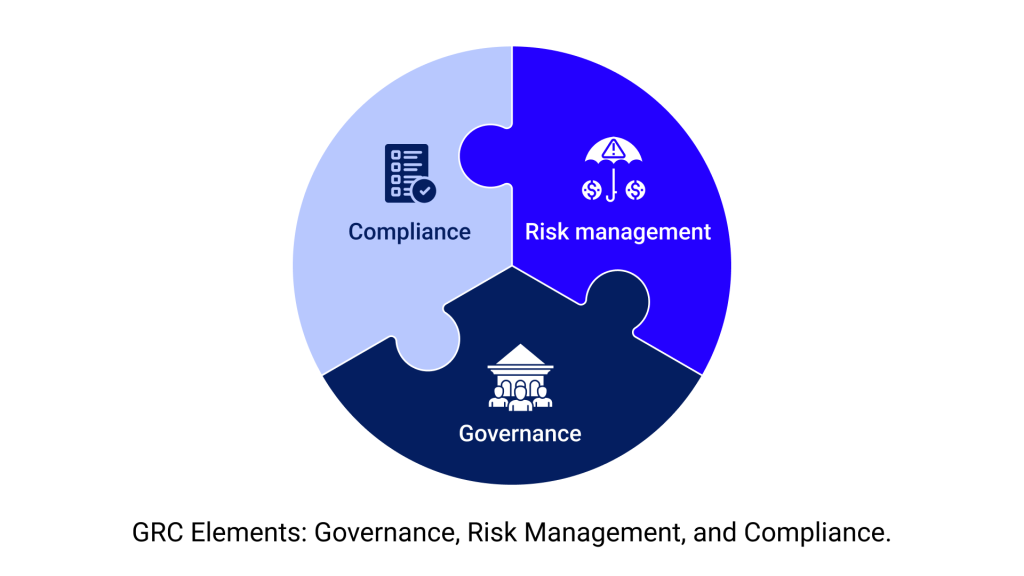
Not every cybersecurity professional works in a SOC. Not every cybersecurity job requires deep coding. Governance, Risk, and Compliance, commonly called GRC, is one of the best cybersecurity paths for people who are analytical, organized, good with documentation, and interested in business risk.
GRC focuses on policies, controls, audits, risk assessments, compliance requirements, security frameworks, vendor risk, data protection, and governance. Common frameworks and standards include NIST Cybersecurity Framework, ISO 27001, CIS Controls, SOC 2, PCI DSS, HIPAA, GDPR, and local data protection regulations.
The NICE Framework from NIST is also important because it provides a common language for cybersecurity work and the knowledge and skills needed to complete that work. NIST says the framework is used across public and private sectors for career discovery, education, training, hiring, and workforce development.
For beginners, GRC can be a smart entry path because many organizations need people who can document risks, track controls, support audits, review policies, and communicate with business teams. Strong writing and communication skills are valuable here.
For remote job potential, GRC is one of the strongest cybersecurity areas. Many GRC tasks can be done remotely: policy writing, risk register updates, compliance evidence review, vendor questionnaire assessment, audit support, control mapping, and security awareness documentation.
ISC2 also offers CGRC for professionals with experience, while ISC2’s certification portfolio positions governance, risk, and compliance as a recognized cybersecurity career area. Beginners can start with GRC fundamentals before aiming for advanced certifications.
Best for: career changers, business analysts, auditors, writers, project managers, IT support professionals, compliance officers, and people who want cybersecurity roles that are less tool-heavy but still highly valuable.
15. Ethical Hacking and Penetration Testing Fundamentals
Ethical hacking is one of the most popular cybersecurity interests for beginners. It is exciting, practical, and highly visible. However, it is also one of the most misunderstood paths. Many beginners start with hacking tools before learning networking, Linux, web basics, security principles, or legal boundaries. That approach is dangerous and ineffective.
A good ethical hacking course should teach legal authorization, reconnaissance, scanning, enumeration, vulnerability validation, web application security, password attacks in lab environments, exploitation basics, reporting, and remediation. It should also teach responsible disclosure and professional ethics.
CompTIA PenTest+ is an intermediate-level certification for penetration testing and vulnerability assessment. It validates skills in scoping, engagement, compliance, vulnerability scanning, analysis, exploits, communication, and remediation.
For beginners, ethical hacking fundamentals can be useful, but it should not be the first and only course. Start with networking, Linux, security fundamentals, and web basics. Then move into ethical hacking labs such as TryHackMe, Hack The Box beginner paths, PortSwigger Web Security Academy, OWASP Top 10, and controlled vulnerable machines.
For remote job potential, penetration testing can offer remote opportunities, especially for web application testing, vulnerability assessment, bug bounty, freelance security testing, and consulting. However, true penetration testing jobs often require strong proof of skill, reports, labs, certifications, and experience. It is competitive.
If you want to build a career in offensive security, focus heavily on writing professional reports. Companies do not pay only for finding vulnerabilities. They pay for clear, responsible, actionable findings that developers and managers can understand.
Best for: learners interested in offensive security, vulnerability assessment, web security, bug bounty, and security consulting.
The Best Learning Path for Complete Beginners
If you are starting from zero, do not take all 15 courses at once. That will overwhelm you. Cybersecurity is a journey. The best approach is to build in stages.
Start with the Google Cybersecurity Certificate or ISC2 Certified in Cybersecurity. These will help you understand the basic language of the industry. Then learn networking through Network+ or a strong networking fundamentals course. After that, move to Security+ as your broad industry-recognized credential.
Once you have the basics, choose a direction.
If you want SOC jobs, take Cisco CyberOps Associate, practical SOC training, Linux fundamentals, and CySA+.
If you want cloud security, take AWS Cloud Practitioner, Microsoft SC-900, hands-on cloud labs, and later AWS Security Specialty or Azure security certifications.
If you want GRC, take GRC fundamentals, NIST CSF, ISO 27001 basics, risk management, security policy writing, and compliance documentation.
If you want ethical hacking, take Linux, networking, web security, ethical hacking fundamentals, OWASP Top 10, and later PenTest+ or other practical offensive security certifications.
The biggest mistake is trying to learn everything at the same time. The smartest path is to learn fundamentals, build practical projects, then specialize.
Which Courses Have the Strongest Remote Job Potential?
For remote jobs, the most useful courses are not always the flashiest. Remote employers value people who can work independently, communicate clearly, document findings, and use security tools responsibly.
The strongest beginner-to-mid-level remote-job courses are:
Google Cybersecurity Certificate for foundation and practical introduction.
ISC2 CC for recognized entry-level credibility.
CompTIA Security+ for broad employer recognition.
Cisco CyberOps Associate for SOC and monitoring roles.
Microsoft SC-900 for identity, compliance, and Microsoft cloud security.
AWS Cloud Practitioner for cloud literacy.
CompTIA CySA+ for analyst and SOC advancement.
Practical SOC analyst training for real-world alert investigation.
GRC fundamentals for remote compliance and risk roles.
Vulnerability management training for remote scanning, reporting, and remediation support.
For beginners in countries like Nigeria who want global remote opportunities, it is important to build both credibility and evidence. Certifications help with credibility. Projects help with evidence. Your portfolio should show screenshots, reports, labs, case studies, and clear explanations of what you did.
What Employers Are Really Asking For
Modern cybersecurity employers are not only asking for certificates. They are asking for skills. They want people who understand risk, can investigate alerts, can communicate clearly, can work with cloud systems, and can learn fast.
CyberSeek provides data on cybersecurity job demand and career pathways, showing the continued importance of cybersecurity roles across the market. The NICE Framework also helps employers and learners understand cybersecurity work roles, tasks, knowledge, and skills.
This means beginners should stop thinking only in terms of “Which certificate will give me a job?” A better question is: “Which course will help me prove I can do the work?”
A strong beginner should be able to explain:
What is phishing?
What is multi-factor authentication?
What is least privilege?
What is a vulnerability?
What is incident response?
What is a SIEM?
What is a firewall?
What is identity and access management?
What is cloud shared responsibility?
What is a risk assessment?
What is the difference between a threat, vulnerability, and risk?
What is the purpose of logs?
What should be included in a security report?
If you can explain these clearly and show practical examples, you are already ahead of many beginners.
How to Turn These Courses into Job Opportunities
Taking courses is not enough. You must convert learning into proof.
First, build a cybersecurity portfolio. This can be a simple website, Notion page, GitHub profile, or LinkedIn featured section. Add your certifications, labs, projects, reports, and learning notes.
Second, write short case studies. For example:
How I analyzed a phishing email.
How I scanned a vulnerable machine and wrote a report.
How I created a simple incident response plan.
How I used Microsoft security concepts to explain MFA and conditional access.
How I mapped a suspicious login attempt to MITRE ATT&CK.
How I built a basic home SOC lab.
Third, apply for realistic roles. Do not only apply for “cybersecurity engineer” roles that require five years of experience. Apply for SOC analyst trainee, junior cybersecurity analyst, IT security support, GRC analyst, vulnerability management assistant, cloud support associate, identity access support, help desk with security responsibilities, and technical support roles in security companies.
Fourth, improve communication. ISC2’s workforce study shows employers value problem solving, collaboration, communication, willingness to learn, and strategic thinking. That means your ability to explain security issues in simple business language can make you more employable.
Fifth, keep learning. Cybersecurity changes quickly. AI security, cloud security, automation, identity protection, vulnerability management, and incident response will continue to evolve.
Final Recommendation
If you want the simplest beginner path, start with this order:
Google Cybersecurity Certificate.
ISC2 Certified in Cybersecurity.
CompTIA Network+ or networking fundamentals.
CompTIA Security+.
Linux fundamentals.
Practical SOC analyst training.
Microsoft SC-900 or AWS Cloud Practitioner.
Then choose your specialization: CySA+ for SOC, GRC fundamentals for compliance, AWS Security Specialty for cloud security, or ethical hacking fundamentals for offensive security.
The goal is not to collect certificates blindly. The goal is to become employable. Employers want people who can think, investigate, document, communicate, and protect systems. Courses can open the door, but practical skill and consistency will keep you in the room.
Cybersecurity is one of the best career paths for beginners in 2026, but it rewards serious learners. If you are willing to study, practice, document your work, and build proof of skill, you can move from beginner to job-ready professional.
Whether your dream is to work remotely as a SOC analyst, cloud security associate, GRC analyst, vulnerability analyst, or cybersecurity consultant, the courses in this guide can give you a strong foundation.
Start small. Learn deeply. Practice consistently. Build publicly. Apply strategically.
That is how beginners break into cybersecurity.
FAQ Section for Rank Math Schema
1. What is the best cybersecurity course for beginners?
The Google Cybersecurity Professional Certificate and ISC2 Certified in Cybersecurity are two of the best starting points for beginners. They introduce security fundamentals, risk, access control, incident response, and basic security operations in a beginner-friendly way.
2. Can I get a remote cybersecurity job with beginner certifications?
Yes, but certifications alone are usually not enough. Beginner certifications can help you qualify for interviews, but you should also build hands-on projects, practice with labs, write reports, and create a portfolio that proves your skills.
3. Which cybersecurity certification is best for entry-level jobs?
CompTIA Security+ is one of the most recognized entry-level cybersecurity certifications. ISC2 Certified in Cybersecurity and Google Cybersecurity Certificate are also strong options for beginners.
4. What cybersecurity course should I take for SOC analyst jobs?
For SOC analyst roles, consider Cisco CyberOps Associate, CompTIA Security+, CompTIA CySA+, and practical SOC analyst training that covers SIEM tools, log analysis, phishing investigation, and incident response.
5. Is cybersecurity good for remote jobs?
Yes. Many cybersecurity roles can be remote or hybrid, especially SOC analyst, GRC analyst, vulnerability management analyst, cloud security analyst, and security compliance roles. However, remote jobs require strong communication, documentation, and practical skills.
6. Do I need coding to start cybersecurity?
No, you do not need advanced coding to start cybersecurity. However, learning basic Python, Linux commands, and networking will make you more effective and help you qualify for more technical roles.
7. Which cybersecurity path is best for non-technical beginners?
GRC, cybersecurity awareness, risk management, compliance, and security policy roles are good options for non-technical beginners. These roles require strong documentation, communication, analytical thinking, and understanding of security frameworks.
8. Is ethical hacking good for beginners?
Ethical hacking is exciting, but beginners should first learn networking, Linux, security fundamentals, and web security basics. Jumping into hacking tools without understanding the foundation can lead to confusion.